
Master Nutritionist-Approved Cooking Methods
Learn the science-backed techniques that professional nutritionists recommend. Discover how proper cooking methods preserve nutrients and enhance food quality for better everyday eating.
The information on this site is for educational purposes only and does not constitute medical advice. Always consult a qualified healthcare professional before making health decisions.
Why Our Cooking Methods Stand Out
We focus on evidence-based techniques that maintain nutritional value while creating delicious meals. Each method is selected and explained by our editorial team based on current nutritional science.
Nutrient Preservation
Our methods emphasize techniques that minimize nutrient loss during cooking. Steaming, gentle simmering, and proper temperature control help retain vitamins and minerals in your ingredients.
Science-Based Approach
Each technique is grounded in nutritional science. We explain the "why" behind every cooking method, helping you understand how different heat levels, times, and techniques affect food composition.
Practical Kitchen Skills
We translate nutritional theory into easy-to-follow techniques you can use immediately. Our step-by-step guides make it simple to apply these methods in your own kitchen.
Quality Standards
Our content meets rigorous editorial standards. Every article is thoroughly researched and reviewed to ensure accuracy and relevance to modern nutritional understanding.
Comprehensive Resources
From detailed cooking guides to visual demonstrations, we provide multiple formats to help you learn. Videos, step-by-step instructions, and troubleshooting tips are all available.
Food Enjoyment Focus
Healthy cooking should be delicious. We show you how to use approved techniques while maximizing flavor and enjoyment. Good nutrition and great taste go together.
Your Learning Journey in 4 Steps
Follow our structured approach to master nutritionist-approved cooking methods at your own pace.
Understand the Science
Learn how different cooking techniques affect nutrients, flavors, and food safety. Our articles explain the nutritional science in clear, accessible language.
Study the Techniques
Explore detailed guides for steaming, boiling, roasting, sautéing, and other methods. Each guide includes temperature recommendations and timing information.
Practice in Your Kitchen
Apply what you've learned with our practical recipes and step-by-step instructions. Start with simple dishes and build your skills over time.
Master Advanced Methods
Once comfortable with basics, explore advanced techniques and specialized cooking methods for different food categories and dietary approaches.
Our Core Cooking Methods
The foundation of healthy cooking consists of techniques that preserve nutrition while creating flavor. Here are the methods featured in our comprehensive guides.
Steaming
One of the most nutrient-preserving methods available. Steaming cooks food with moist heat without immersion, maintaining vitamins and minerals while creating tender vegetables and proteins.
- Preserves up to 90% of nutrients
- Quick and efficient cooking
- Requires minimal added fats
Boiling
A traditional technique when used correctly. While boiling does leach some water-soluble nutrients, using the cooking water in soups or stocks captures these nutrients. Proper timing is essential to prevent overcooking.
- Excellent for legumes and grains
- Creates flavorful cooking liquids
- Requires precise timing
Roasting
High-heat cooking that brings out natural flavors through caramelization. When temperatures stay below 350°F (175°C), roasting preserves most nutrients while creating complex flavors and appealing textures.
- Enhances natural sweetness
- Creates appealing textures
- Temperature control is important
Sautéing
Quick cooking in minimal fat over moderate to high heat. Sautéing preserves nutrients efficiently and develops flavor. Using healthy oils and controlling temperature prevents nutrient degradation.
- Fast and efficient
- Minimal nutrient loss
- Minimal added fat needed
Slow Cooking
Extended cooking at low temperatures (usually 180-210°F / 82-99°C) creates tender results and develops deep flavors. This gentle method is excellent for tough cuts and legumes while maintaining nutritional value.
- Tenderizes tough ingredients
- Low temperature preserves nutrients
- Energy efficient
Poaching
Cooking in simmering liquid (160-180°F / 71-82°C) without boiling. Poaching is gentle and preserves delicate flavors and textures. This method works beautifully for fish, chicken, and eggs while maintaining nutritional integrity.
- Delicate and gentle
- No added fat needed
- Creates flavor-infused liquids
Visual Guide to Healthy Techniques
See how these cooking methods look in practice. Visual examples help you understand proper temperatures, textures, and presentation.
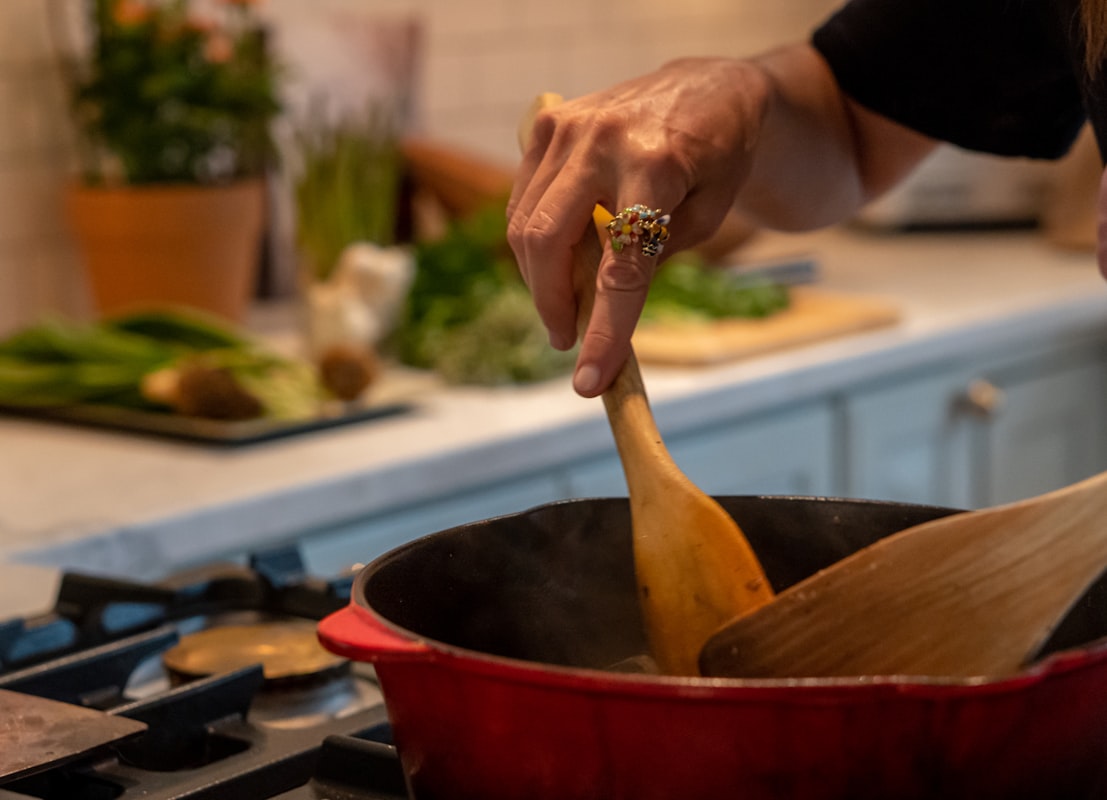
Steaming Vegetables
Bright, tender vegetables cooked in steam retain vibrant colors and maximum nutrients.

Roasted Root Vegetables
Golden caramelization brings out natural sweetness while preserving nutritional value.
Poached Fish
Delicate proteins cooked gently in aromatic broth remain tender and flavorful.
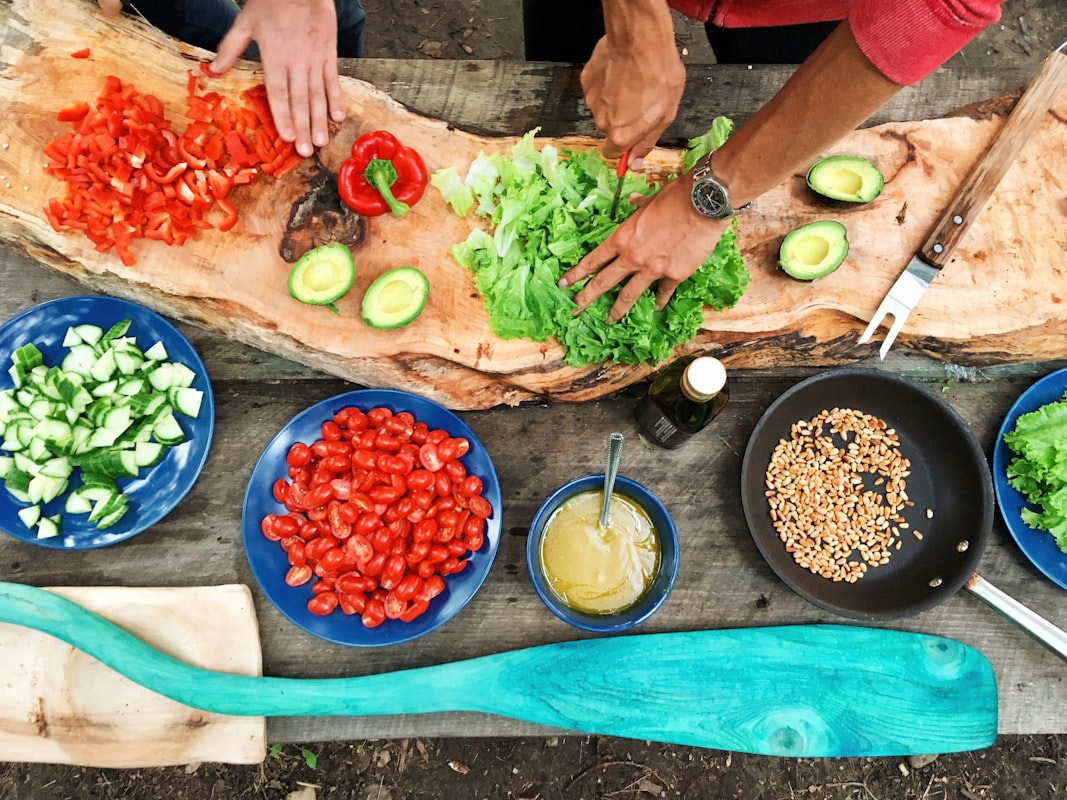
Sautéed Greens
Quick cooking in minimal oil brightens greens while maintaining their nutritional benefits.
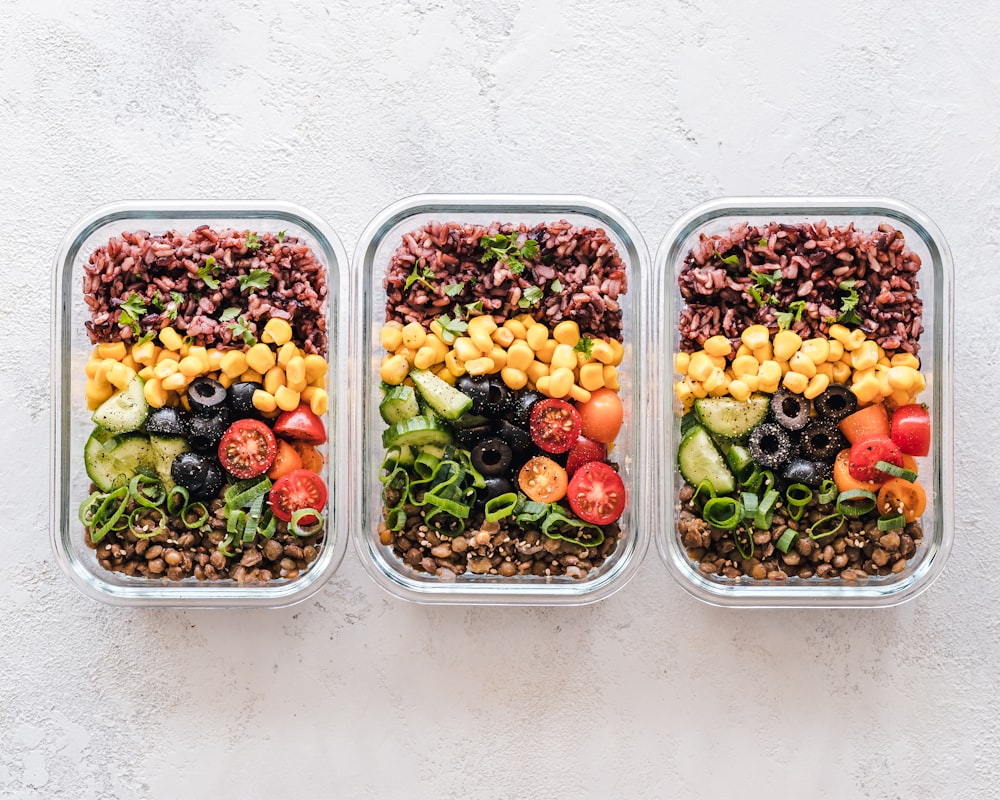
Slow-Cooked Legumes
Gentle, extended cooking renders beans tender while preserving their protein content.
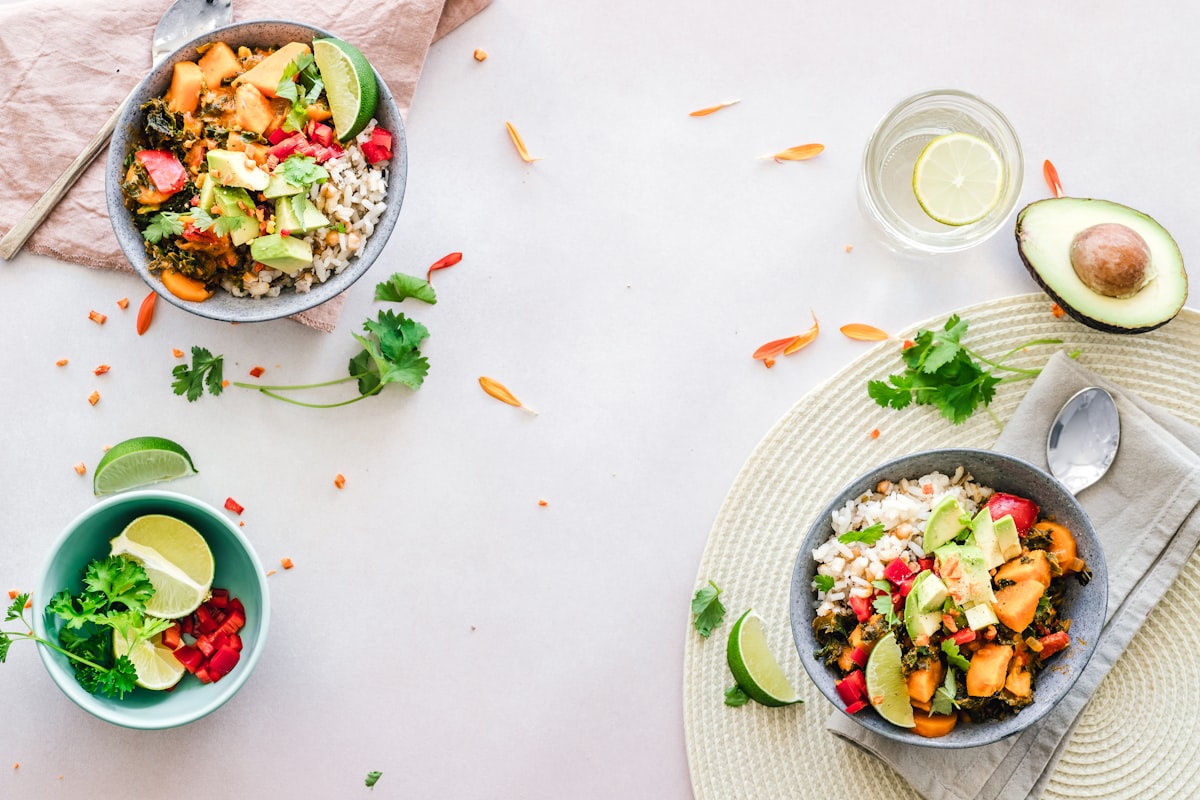
Boiling Grains
Proper boiling creates properly cooked grains with ideal texture and digestibility.
Our Editorial Standards
Every article and guide meets our rigorous content standards to ensure accuracy, relevance, and practical value.
Evidence-Based Content
All recommendations are based on current nutritional science and research. We review peer-reviewed studies and consult established nutritional guidelines to ensure accuracy.
Updated Regularly
We continuously review and update content as new research emerges. Our editorial calendar ensures guides stay current with latest nutritional understanding.
Expert Review
Articles are reviewed by nutrition professionals to ensure content accuracy, clarity, and practical applicability. Our team ensures complex concepts are explained accessibly.
Practical Focus
Theory matters, but so does application. Every guide includes detailed, step-by-step instructions you can immediately use in your own kitchen.
Clear Explanations
We explain the "why" behind every technique. Understanding the science helps you make informed decisions and adapt methods to your specific needs.
Reader Feedback
We welcome your questions and feedback. Your insights help us improve content and create guides for topics our community finds most valuable.
What Our Readers Say
People from across Austria and beyond have found our cooking guides valuable for their everyday cooking.
"
These guides completely changed how I approach cooking. I finally understand why different techniques matter and how to preserve nutrition while making delicious meals. The explanations are clear, and the step-by-step instructions make it so easy to follow. I've tried methods I never would have attempted before.
Sarah Mueller
Vienna, Austria
"
As someone interested in healthy eating, I appreciate the science-based approach. The articles explain not just how to cook, but why each method matters. Highly informative.
Marcus Hoffman
Linz, Austria
"
The visual guides are fantastic. Seeing exactly how vegetables should look at different stages helps me cook with confidence. This resource is invaluable for my kitchen.
Elena Richter
Salzburg, Austria
"
I've been using these methods for six months now. My family notices the difference in how fresh and nutritious our meals taste. The content is reliable and genuinely helpful.
Thomas Bauer
Graz, Austria